
Guinea-Bissau 2025. Geo-referenced mapping of 3,359 community health workers
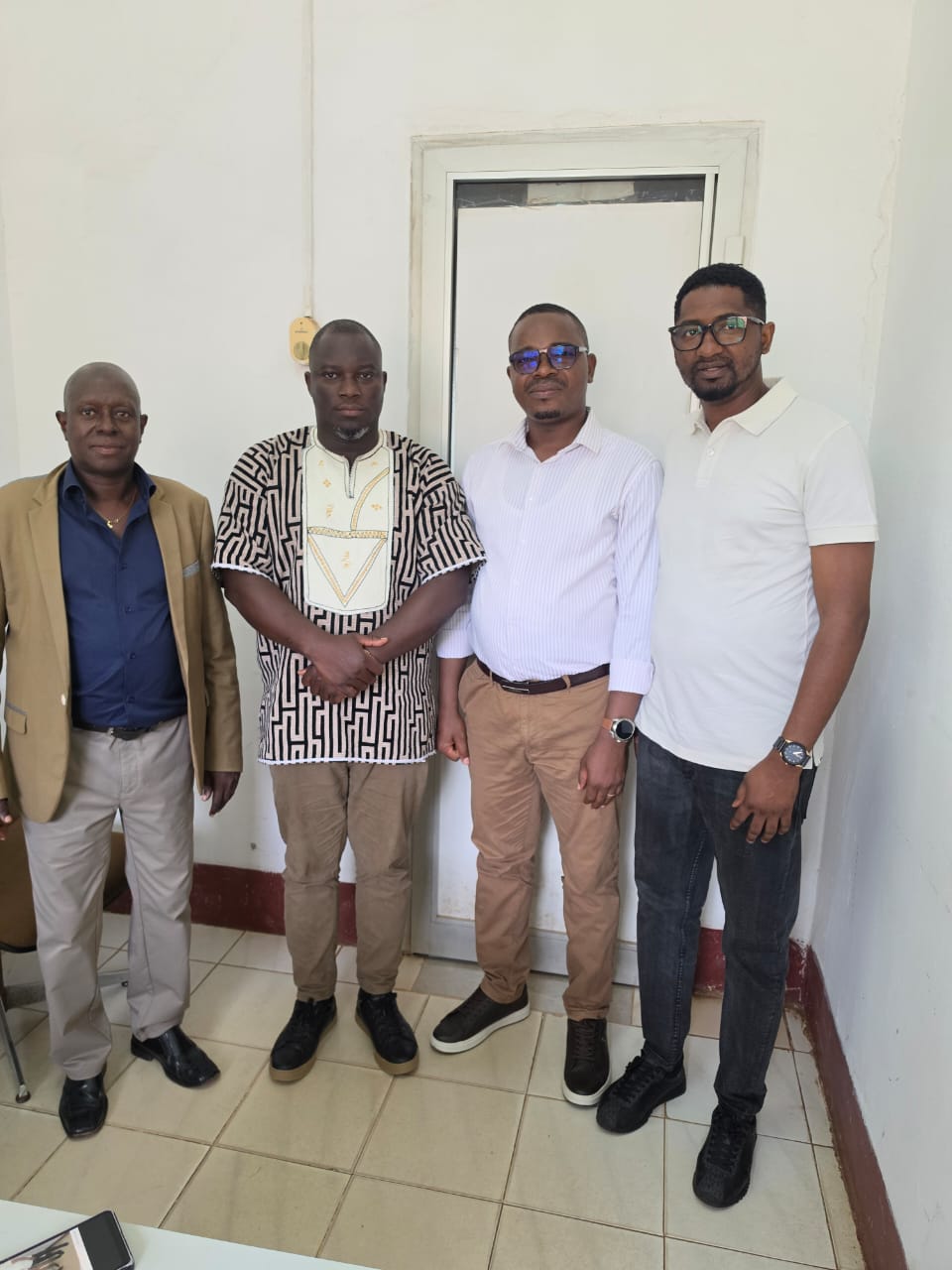
In December 2025, the Ministry of Public Health of Guinea-Bissau published the final report of the geo-referenced mapping of community health workers (CHWs), carried out by the Directorate of Community Health Services and Traditional Medicine with technical assistance from ICHESS at every stage: design, analysis and production of the report.
A national census of 3,359 CHWs
- 3,359 active CHWs counted in all 11 health regions, 99% geo-located and linked to their reference health centre
- Data collected digitally by 285 data collectors and supervisors over 30 days, with daily checks and strict GPS validation
- GIS analysis to produce density and accessibility maps and population-to-CHW ratios
Key findings
- Four regions (SAB, Gabú, Bafatá, Oio) concentrate 64.2% of CHWs; ratios range from about 1 CHW per 950 people in Bissau (SAB) to 1 per 1,700 in Bolama.
- About 18% of CHWs work more than 12 km from their health centre, which makes supervision, supply and referral costly and irregular.
- The network is about 80% male; women represent 2% of CHWs in Tombali and 7% in Oio, but 48% in SAB. Average age is 39.
- 91% received initial training and 91% recent in-service training, and 87% report regular supervision; however, only 68% report regularly, 35% face frequent stock-outs and 75% store supplies at home.
- 99% own a mobile phone and about 65% a smartphone, an opportunity for digital reporting and e-supervision.
- Incentives remain heterogeneous and largely dependent on external funding, which weakens motivation and retention.
Recommendations include targeted redeployment and recruitment in under-served regions (Bolama, Bijagós, Quinara, Tombali, parts of Farim and Gabú), a gradual strategy to recruit more women, a minimum package of in-service training on stock management, reporting and digital tools, geospatially informed supervision and logistics, a multi-year financing plan with a growing national contribution, and the progressive digitalisation of reporting, supervision and training.
These results now guide the geo-referenced mapping of traditional practitioners launched in 2026.