South Sudan 2025. Community Health System Maturity Assessment
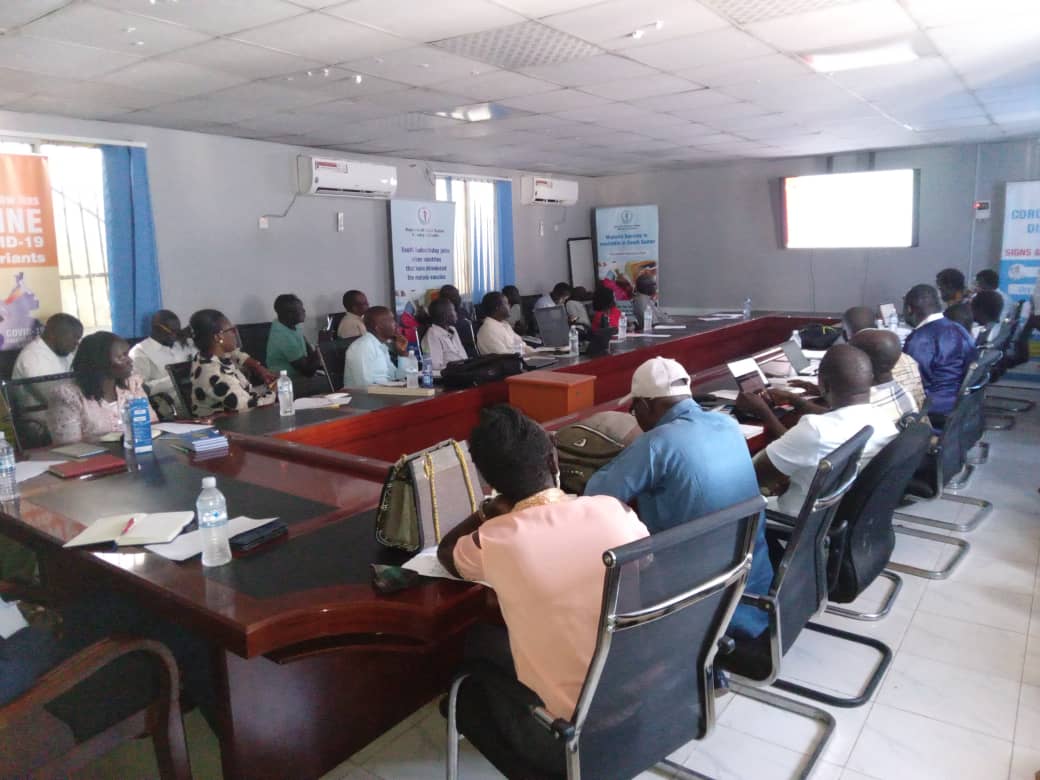
With technical assistance from ICHESS under the Global Fund-financed BIRCH project, the Ministry of Health of South Sudan conducted the 2025 Community Health System Maturity Assessment (CH-SMA). The assessment measures the functional, organisational and operational maturity of the community health system, built around the Boma Health Initiative (BHI), and sets a roadmap to 2035. It builds on the 2024 baseline assessment.
Why it matters. 78% of South Sudan’s population lives in remote rural areas and 56% lives more than 5 km from a health facility. Boma Health Workers are often the only link between households and the health system, in a context of conflict, climate shocks and a cholera epidemic with more than 80,000 cases since October 2024.
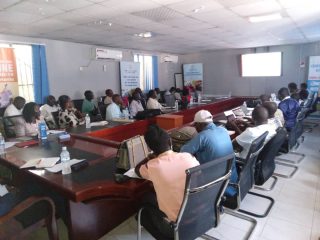
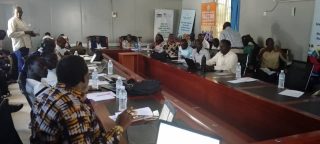
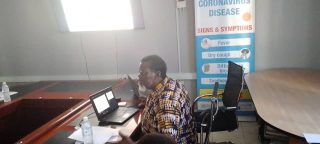
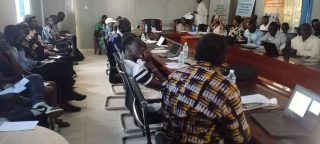
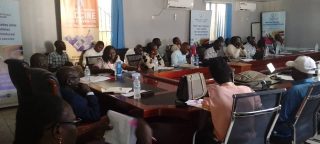
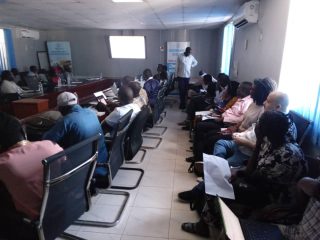
Method. A national workshop brought together 59 public health experts, technical partners, field actors and community representatives. Working in thematic groups on a standardised scoring matrix, they rated each domain of the community health system and compared 2025 with the 2024 baseline.
Key findings
| Domain | 2025 status | Main driver |
|---|---|---|
| Leadership, governance & planning | Functional (up from 2024) | National community health strategy finalised and aligned with HSSP 2023–2027 |
| Service delivery | Functional | Integrated package (malaria, nutrition, maternal and child health) delivered by BHWs, largely donor-supported |
| Supply chain | Improving | Better availability, but weak last-mile logistics and stock-outs at community level |
| Human resources | Partially functional | Remuneration, supervision and integration of BHWs into the public system |
| Information systems | Partially functional | Slow integration of the community health information system into DHIS2 |
| Community engagement | Partially functional | Most Boma Health Committees inactive or underfunded |
| Financing | Non-functional | No community health budget line; health spending below 2% of GDP; 85% donor dependence |
Overall, the system scores 15 out of 28 (“emerging” stage): governance gains are real, but they will not translate into a functional system without investment in financing, the workforce, data and logistics.
Roadmap to 2035
- Create a dedicated community health budget line in the Ministries of Health and Finance, and raise health allocations by 0.5–0.7% of GDP a year towards the Abuja target of 8% by 2035
- Integrate Boma Health Workers into the payroll, with national training, certification and a career pathway
- Standardise community health information tools and link them fully to DHIS2, with regular data feedback
- Invest in last-mile supply chain, transport and logistics
- Revitalise 80% of Boma Health Committees and formalise civil society–BHI forums
- Expand integrated outreach to underserved counties
The assessment offers the Ministry and its partners a nationally validated basis to prioritise investments in the 2026 annual operational plan and beyond.
Request the full report (English)